
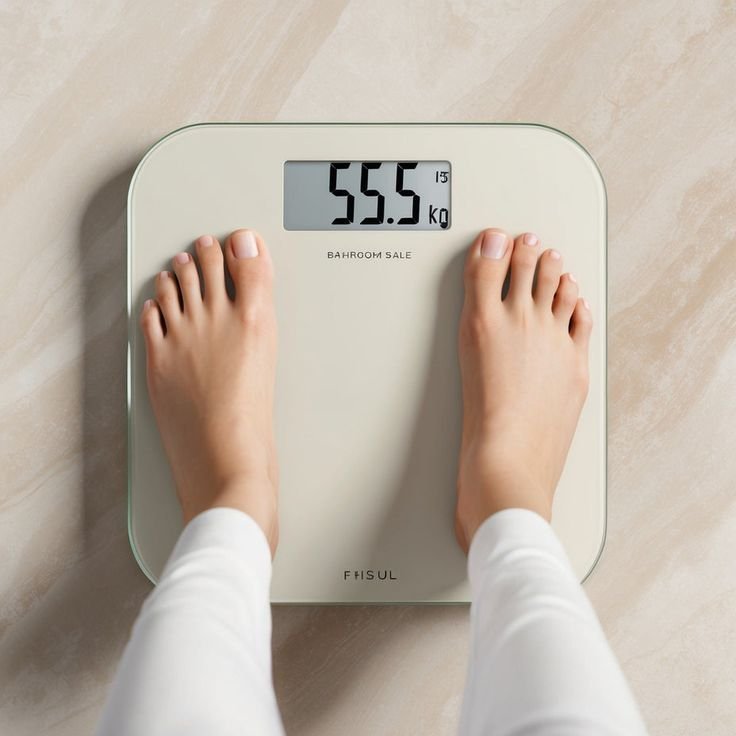
Weight loss is a goal for many people, but often the focus is only on reducing body fat while ignoring bone health. Your bones are the foundation of your body. They support movement, protect internal organs, and work closely with muscles. If weight loss is done incorrectly, it can lead to bone weakness and nutrient deficiencies.
According to the World Health Organization, poor nutrition is one of the leading contributors to weakened bones and musculoskeletal problems, especially in individuals following very restrictive diets.
This article explains how to lose weight safely while protecting your bones with the right vitamins and nutrients.
Part 1: Healthy Weight Loss Without Damaging Your Bones
1. Avoid Extreme Dieting
Very low-calorie diets can cause:
- Muscle loss
- Weak bones
- Fatigue
- Vitamin D and calcium deficiency
Healthy weight loss should be gradual — about 0.5 to 1 kg (1–2 pounds) per week.
2. Eat Enough Protein
Protein is essential during weight loss. When you reduce calories, your body may break down muscle tissue. Strong muscles help protect and support your bones.
Good protein sources include:
- Eggs
- Fish
- Lean meat
- Beans and legumes
- Nuts
Maintaining muscle mass helps preserve bone strength.
3. Include Strength Training
Weight-bearing exercises strengthen bones and muscles at the same time. Activities such as:
- Walking
- Resistance training
- Bodyweight workouts
- Light weightlifting
These exercises stimulate bone growth and reduce the risk of osteoporosis.
Part 2: Essential Vitamins for Strong Bones During Weight Loss
Bone health depends on more than just calcium. Several vitamins and minerals work together to keep bones strong.
1. Vitamin D – The Calcium Absorption Key
Vitamin D helps your body absorb calcium properly. Without enough Vitamin D:
- Bones become soft or weak
- Risk of fractures increases
- Muscle pain and fatigue may occur
Sources of Vitamin D:
- Sunlight
- Eggs
- Fatty fish (like salmon)
- Fortified foods
Many people who diet indoors or avoid sunlight may become deficient.
2. Calcium – The Building Block of Bones
Calcium is the primary mineral that forms bone structure. If your diet lacks calcium, your body pulls it from your bones, making them weaker over time.
Calcium-rich foods include:
- Milk and dairy products
- Leafy green vegetables
- Almonds
- Sardines
Adults generally need around 1,000–1,200 mg per day, depending on age and gender.
3. Vitamin K2 – Directing Calcium to the Right Place
Vitamin K2 ensures that calcium goes into the bones instead of building up in the arteries. Without K2, calcium may not be properly utilized.
It works together with Vitamin D to improve bone density.
Sources include:
- Fermented foods
- Egg yolks
- Certain cheeses
4. Magnesium – Supporting Bone Strength
Magnesium plays a key role in bone formation and Vitamin D activation. Low magnesium levels can cause:
- Muscle cramps
- Weakness
- Bone fragility
Magnesium-rich foods include:
- Nuts
- Seeds
- Whole grains
- Dark leafy greens
How to Balance Weight Loss and Bone Health
To lose weight safely while protecting your bones:
✔ Do not eliminate entire food groups
✔ Ensure adequate intake of calcium and Vitamin D
✔ Perform strength-based exercises
✔ Stay hydrated
✔ Avoid crash diets
If your diet does not provide enough nutrients, some people choose high-quality supplements that combine Vitamin D3, K2, Calcium, and Magnesium to support bone health during weight loss.
(If you are using affiliate marketing in your blog, this is where you can naturally introduce a recommended supplement.)
Signs of Vitamin Deficiency Affecting Bones
Watch out for:
- Constant fatigue
- Frequent fractures
- Muscle pain
- Weak teeth
- Brittle nails
If you experience these symptoms, consult a healthcare professional.
Final Thoughts
Weight loss should never come at the cost of your bone health. A healthy body means balanced fat levels, strong muscles, and durable bones.
By combining:
- Essential vitamins
- Strength training
- Gradual weight loss
- Proper nutrition